Table of Content
- Growth Peaked In The First Quarter of 2016
- Mortgage defaults and foreclosures on the rise as interest rates climb
- Home price to income ratio, for the selected location
- Buyers in the lowest income quintile purchase properties worth 29 times their income in Vancouver
- How does Canadian housing affordability fare versus other G7 nations?
The average house-price-to-income ratio in the U.S. is 5.4, much higher than the “healthy” 2.6 experts recommend. The average house-price-to-income ratio is 5.4, more than double the maximum of 2.6 experts recommend. In 1985, the average home price was $109,094 according to the Toronto Real Estate Board.

All G7 countries have seen their house price-to-income ratio surge over the past few years. ” However, risks of overvaluation are significantly higher in Canada and Germany. In the case of Canada, this is complicated further by the fact that the fast recent growth is on top of low income growth. In Moncton, N.B., homes are still relatively affordable, but the recent jump in home prices is remarkable. In 2019, the average local home price was an eminently reasonable 2.5 times the average household provincial income. Now, an average-priced home is worth 3.5 times the average income.
Growth Peaked In The First Quarter of 2016
Demographic analysis such as age, sex, and marital status, does not include unspecified values when calculating percentages to bring totals to 100%. The information is grouped by CSD Name , Median value-to-income ratio . The majority (53.8%) of HBA claimants in Nova Scotia bought their property in the Halifax CMA, while the population in that province was more concentrated outside the CMA.
The country’s index is 94.2 in Q2 2021, up 17.6% over the past five years. You may have noticed that this number is less than 100, meaning it’s more affordable than in 2005. As a result, the comparisons between home prices and income are not perfect and are for illustrative purposes only.
Mortgage defaults and foreclosures on the rise as interest rates climb
This article analyzes the income characteristics of residential property owners in British Columbia, Ontario and Nova Scotia in 2018. It provides new information on owners who claimed the home buyers’ amount tax credit in 2017 to offer insights on the income of first-time home buyers and their properties. This article also explores the relationship between owner income and property values, and investigates income distributions of owners in selected areas. The house price to income ratio is a basic affordability measure, to see if incomes are keeping up. To get the ratio, they take the cost of a median home, and compare it to median income. The lower the ratio, the better income growth is doing relative to house price growth.
Currently, the average home in Toronto will set you back by $566,696. Prices have therefore risen by 5.65% annualized over the past 30 years. During that time, prices rose quickly from 1985 to 1989, fell through 1996 and have since been on a near straight line upwards.
Home price to income ratio, for the selected location
Beyond this, in the first quarter of 2019, Canada’s house price-to-income ratio was among the highest across member nations of the Organization for Economic Co-operation and Development . These statistics raise questions on the relationship between the income of homeowners and the values of their properties. Internationally, the Organisation for Economic Co-operation and Development uses an aggregated price-to-income ratio measure to monitor housing affordability .

Organisation for Economic Co-operation and Development numbers show Canada topped the house price-to-income index. Canada’s massive gap is partially due to the sheer length it has persisted. After central banks overstimulated markets in 2020, prices surged nearly everywhere.
Ontario, British Columbia, and the Maritimes therefore appear to be more vulnerable, while the Prairie markets are less so, helped by a buoyant economic context. New data on claimants of the home buyers’ amount , a federal incentive program for first-time home buyers, provide insights on the characteristics of new entrants into the housing market and their first properties. The last part of this series examined housing affordability through the median price-to-income ratio. Another important consideration not captured in the income measure was accumulated wealth, acquired through previous homeownership, savings or financial support from individuals not included on the title.

… to incorporate the statistic into your presentation at any time. "House-price-to-income Ratio in Selected Countries Worldwide as of 2nd Quarter 2022, by Country."
Meanwhile, in Nova Scotia and New Brunswick, properties sold in the reference period had larger living areas relative to other properties. The second part of the series focused on the characteristics of buyers, including sex, family type, number of buyers as part of a sale, first-time home buyers and immigration status. The median price-to-income ratio in British Columbia was 5.4, more than double that of Nova Scotia and New Brunswick. An independent representation of the rate of change of Canadian single-family home prices.
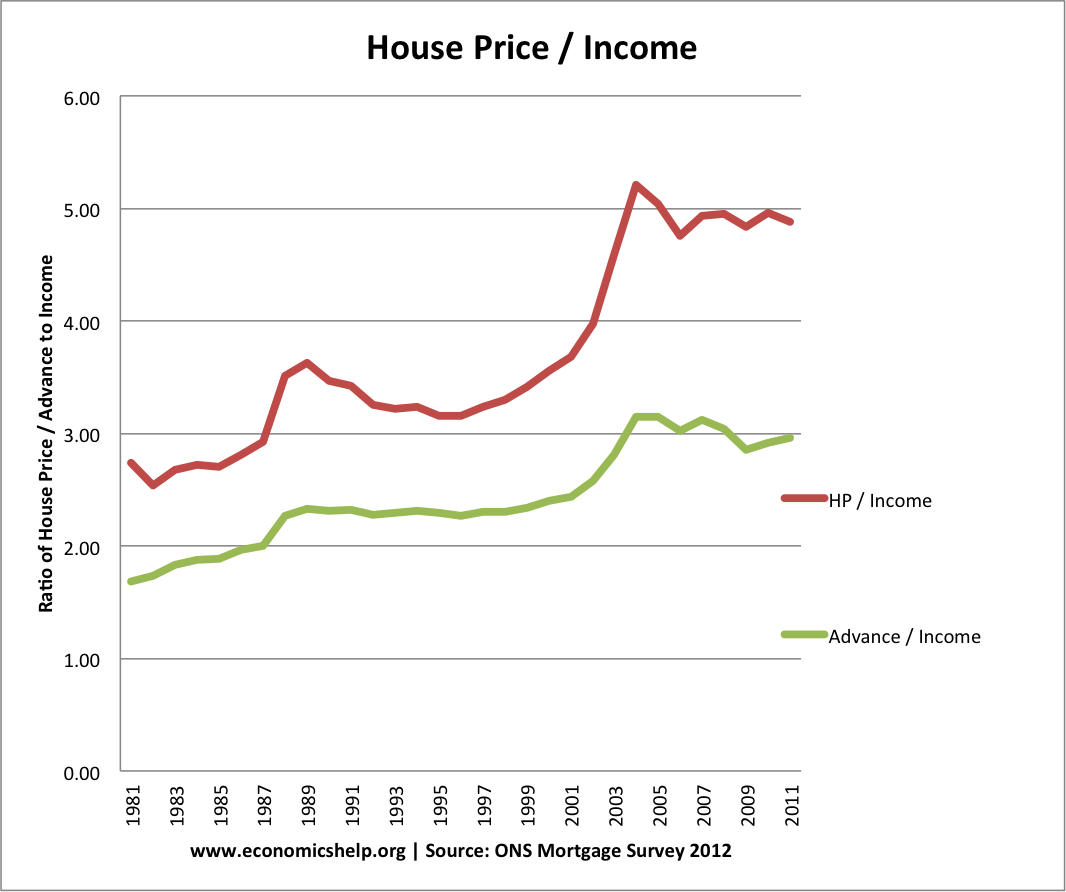
The last section concludes with a summary of the findings in this three-part series. Property owners in the first income quintile (bottom 20% income earners) had higher ownership rates of condominium apartments relative to owners in higher income quintiles . In the Vancouver CMA, 39.9% of the properties in the lowest income quintile were condominium apartments compared to 15.6% for the highest quintile in the CMA. Conversely, single-detached houses accounted for the majority of properties in the fifth income quintile (top 20% income earners) particularly in the CMAs of Halifax (88.4%) and Toronto (72.4%).
Home prices grew faster than incomes at over double the rate of the following country, since 2005. To complicate it further, about half of this disconnect occurs after 2015. Not only is Canada’s recent bubble growing as fast as Germany, but it’s on top of an existing issue. The indexed value of the house price-to-income ratio for G7 countries, as well as the OECD average. Directly comparing countries doesn’t make much sense, so the OECD created an index.


No comments:
Post a Comment