Table of Content
According to Morissette , the increase in housing wealth was more important for immigrant families relative to non-immigrants. The same study showed that a lower proportion of immigrants invest in registered pension plans compared with Canadian-born individuals. Therefore, immigrants may leverage investments in housing as a retirement asset more than non-immigrants, which can lead to differing home buying preferences. The information is grouped by Income quintile , No immigrant buyers, At least one immigrant buyer, Median PIR, Median income, Median price, calculated using price-to-income ratio and dollars units of measure .

Residential property refers to all land and structures intended for private occupancy, whether on a permanent or a temporary basis. Description for Map 1 This figure displays two maps with one legend for both. Category 1 is coloured light blue and represents ratios between 3.5 and 4.7.
A snapshot of residential property owners
Home prices grew faster than incomes at over double the rate of the following country, since 2005. To complicate it further, about half of this disconnect occurs after 2015. Not only is Canada’s recent bubble growing as fast as Germany, but it’s on top of an existing issue. The indexed value of the house price-to-income ratio for G7 countries, as well as the OECD average. Directly comparing countries doesn’t make much sense, so the OECD created an index.
True capitalist economies see housing prices collapse regularly, as a part of market efficiencies. To find “Value” in the system “They” will trigger a recession whether you want it or not. If you can weather not having a tenant for six months then good for you. I imagine that isn’t even close to the case for the majority of landlords in the city. Even if the housing was to magically correct itself the rent would still continue to rise exponentially as the demand will only rise as people scramble to offload their properties that are heavily under water.
Canada House Price To Income Change
Let’s focus on the particulars for the country’s largest city and one of the two crown jewels of the real estate market – Toronto . Greater Toronto real estate prices are surging higher at the fastest pace in history. The TRREB composite benchmark price hit $1,259,900 in January, up 4.29% ($51,900) from the previous month. People are putting a disproportionate amount of capital into housing but Canadian real estate is in the later stage of a “speculative fever,” said the country’s bank regulator, calling it herd mentality. This subset of owners accounts for 88.1% of the overall population of individual owners who have their primary residence in Canada.
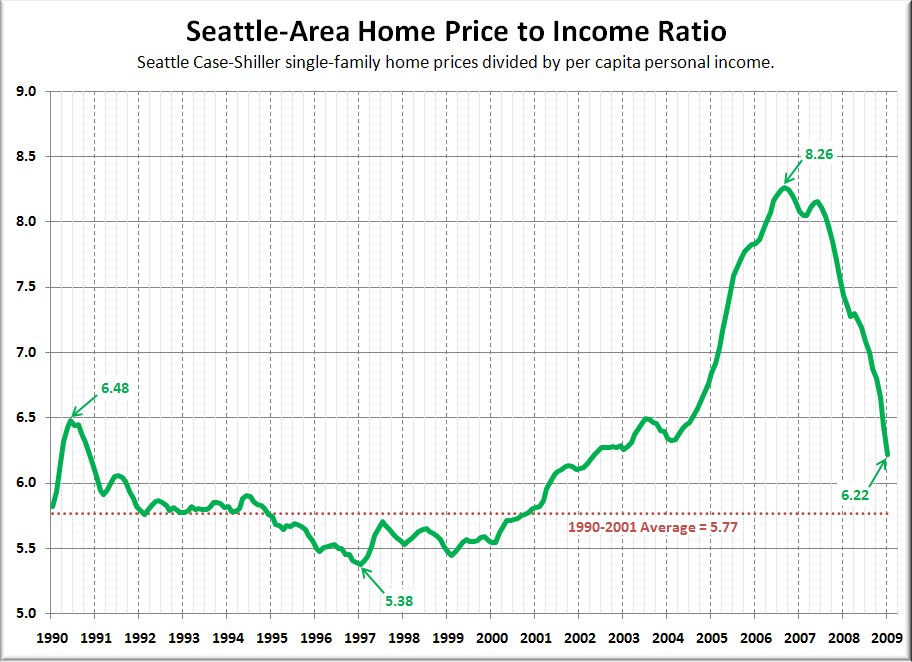
Within all CMAs in the three provinces, the CSD of West Vancouver had considerably higher value-to-income ratios across all income quintiles relative to all other CSDs. For the lowest income quintile, the median value-to-income ratio in West Vancouver was 96.4. In the Toronto CMA, the highest value-to-income ratios for the bottom quintile were in Richmond Hill (26.4) and Markham (24.1). The CMAs of Vancouver and Toronto had the highest value-to-income ratios and they accounted for the largest proportion of properties in their respective provinces. HBA claimants earned higher income than owners who did not claim the HBANote as well as individuals who did not own property . The income of HBA claimants provides an indication of the income of new entrants to the housing market in these provinces.
Other statistics on the topicCanadian housing market
In particular, the majority of sales in the three provinces involved more than one buyer, highlighting possible challenges faced by single individuals in becoming homeowners. Additionally, the income gap between first-time home buyers and repeat buyers in British Columbia may point to the difficulties of entering the real estate market in areas where property prices are higher. Finally, immigrants purchased more expensive properties compared with non-immigrants.

The risk of a housing bust is higher in some of the smaller communities that have seen steep price appreciation, Moffatt says. And “if families are house poor … that’s money that they’re not spending on restaurants and vacations and in stores,” says Mike Moffatt, senior director of policy and innovation at the Smart Prosperity Institute. “Households are more sensitive than they ever have been in the past to even small increases in interest rates,” Petramala says. “In large part, the frenzy we’re seeing in buying can be explained by low interest rates,” she says.
Note of appreciation
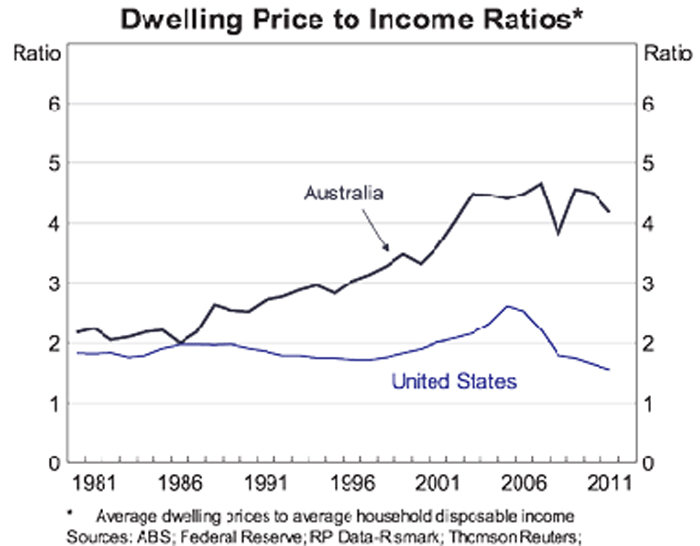
In Greater Vancouver, the average price of a home was close to 12 times the average local income in 2016, according to data from the Canadian Real Estate Association and Statistics Canada. Here’s a look at average incomes relative to average home prices across markets over the last 40 years. Incomes in Canada have steadily risen since 2000 and show no signs of slowing down in the near future. This should improve housing affordability, as long as home price growth slows down. The CMHC has shown that the housing hardship rate was approximately 9% in 2017, while approximately 11% of households had an STIR over 30% .
Demographic analysis such as age, sex, and marital status, does not include unspecified values when calculating percentages to bring totals to 100%. The information is grouped by CSD Name , Median value-to-income ratio . The majority (53.8%) of HBA claimants in Nova Scotia bought their property in the Halifax CMA, while the population in that province was more concentrated outside the CMA.
Organisation for Economic Co-operation and Development numbers show Canada topped the house price-to-income index. Canada’s massive gap is partially due to the sheer length it has persisted. After central banks overstimulated markets in 2020, prices surged nearly everywhere.
Census, including national household income data and median new residential sales values. All dollar values are adjusted for 2021 inflation, unless otherwise noted. This table displays the results of Median assessment value and before-tax income of residential properties and property owners in British Columbia. The information is grouped by Geographic region , Median assessment value, Median before-tax income and Median value-to-income ratio, calculated using dollars units of measure .
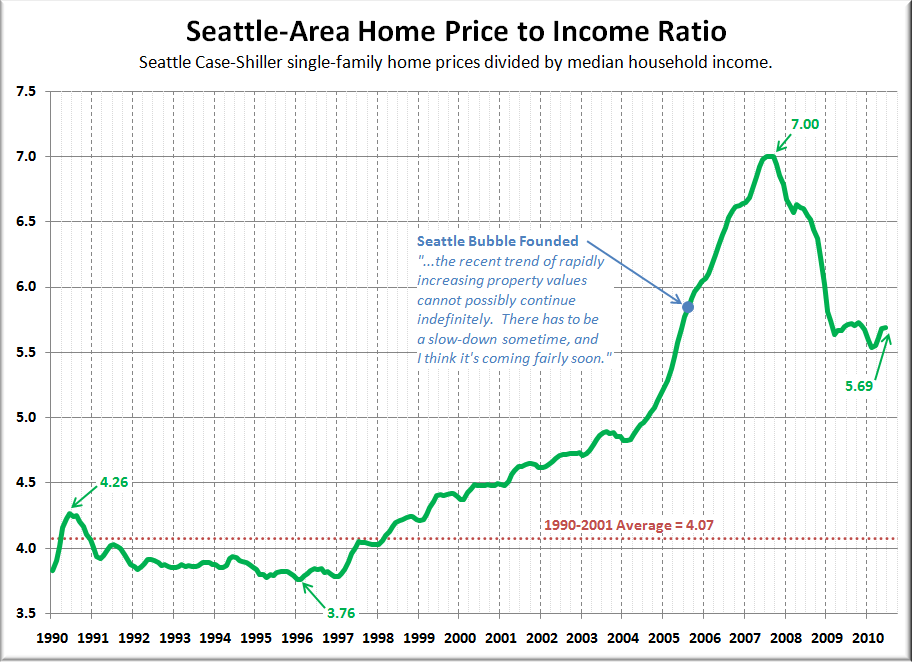
Today, it’s not uncommon to hear of people offering far more than the seller’s asking price — with some even offering $1 million more than the listing price. But during the peak of the Toronto housing bubble in 1989, mortgage payments as a percentage of median family income were about 50%. Going forward, interest rates aren’t likely to increase in the short term in Canada. But when interest rates rise, housing affordability will be squeezed because more of a family’s income will go towards mortgage payments and other interest costs. Saying Canadian home prices are frothy, is like saying Mozart had a little musical talent.
This table displays the results of Data table for Chart 3 Owners who did not claim the HBA and HBA claimants, calculated using percent units of measure . The information is grouped by CMA , HBA claimants and Owners who did not claim the HBA, calculated using dollars units of measure . Properties owned by the lowest income earners were more likely to be co-owned with non-residents of Canada, and these properties had higher value-to-income ratios than properties owned solely by residents.
All G7 countries have seen their house price-to-income ratio surge over the past few years. ” However, risks of overvaluation are significantly higher in Canada and Germany. In the case of Canada, this is complicated further by the fact that the fast recent growth is on top of low income growth. In Moncton, N.B., homes are still relatively affordable, but the recent jump in home prices is remarkable. In 2019, the average local home price was an eminently reasonable 2.5 times the average household provincial income. Now, an average-priced home is worth 3.5 times the average income.


No comments:
Post a Comment